
When to Replace Spark Plugs in Honda Accord – Guide 2025!

You should Replace spark plugs in Honda Accord about every 75,000 and 105,000 miles depending on plug type and driving conditions. Timely replacement ensures smoother engine performance, improved fuel efficiency and prevents issues like misfires or poor acceleration keeping your car running efficiently.
In this guide, we will discuss the signs that indicate the time to replace your spark plugs and the benefits of doing so to maintain your car’s optimal performance.
Why Spark Plugs Matter in a Honda Accord?
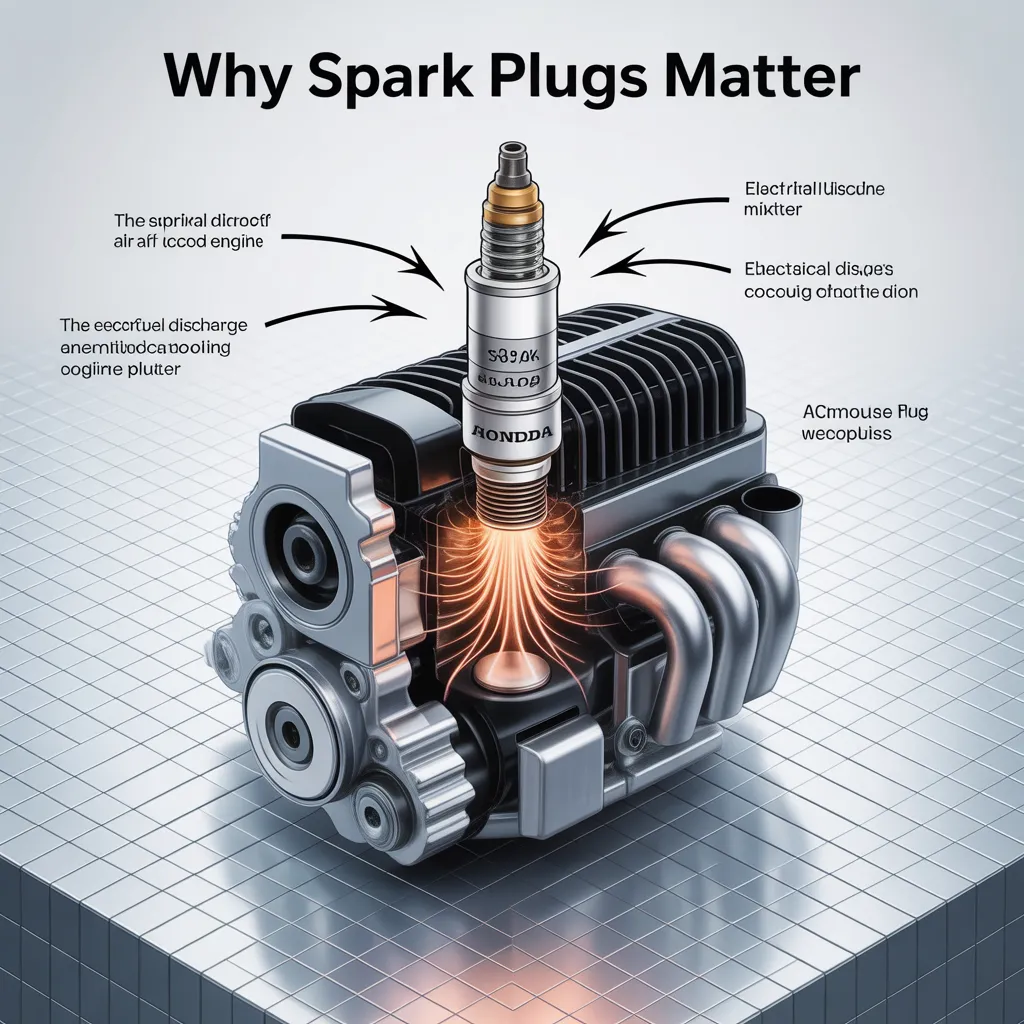
Spark plugs play a significant role in the engine performance of your Honda Accord. They provide smooth heat transfer, increased fuel efficiency and reduced pollution. Worn out spark plugs can cause spark plug failure, rough startup and poor acceleration which can affect overall engine health and lead to costly repairs if left unaddressed.
When to Replace Spark Plugs in a Honda Accord?
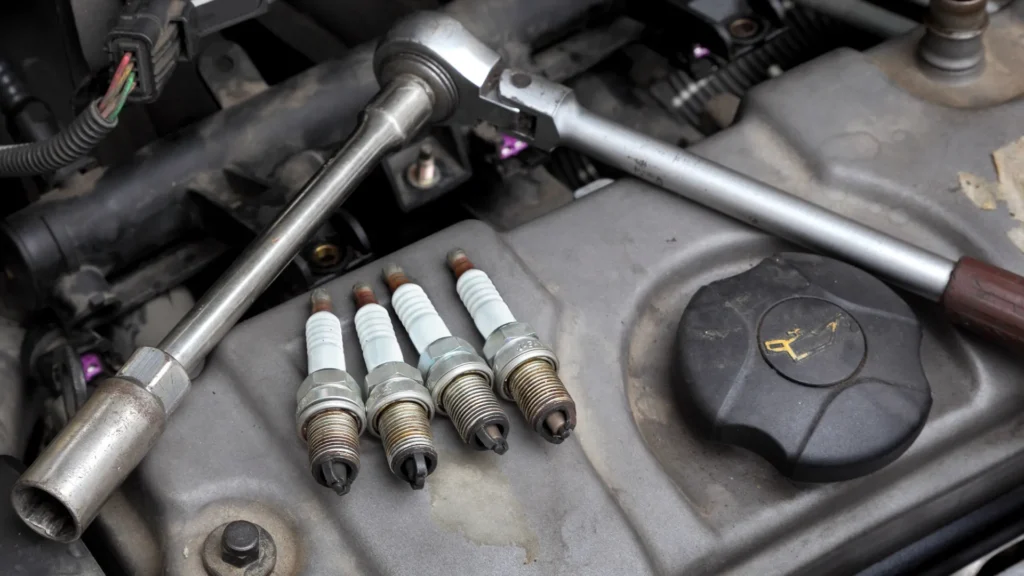
Source: thedrive
- Every 75,000 and 105,000 miles.
- When you experience rough starting or poor acceleration.
- Decreased fuel efficiency or engine performance issues.
- If the Check Engine light comes on.
- After noticing strange engine noises or vibration.
How Many Miles Before Spark Plug Replacement in a Honda Accord?
In a Honda Accord, spark plugs typically need replacement every 100,000 to 105,000 miles, depending on the type of spark plugs used. Iridium or platinum spark plugs last longer while standard copper ones require more frequent changes. Always consult your owner manual for specific recommendations to keep your engine running efficiently.
Honda Accord Spark Plug Replacement Schedule:
| Model Year | Recommended Interval | Plug Type |
| 2005–2010 | 30,000 miles | Copper |
| 2011–2017 | 60,000 miles | Platinum |
| 2018–2025 | 100,000 miles | Iridium |
Key Signs Your Honda Accord Spark Plugs Need Replacement:
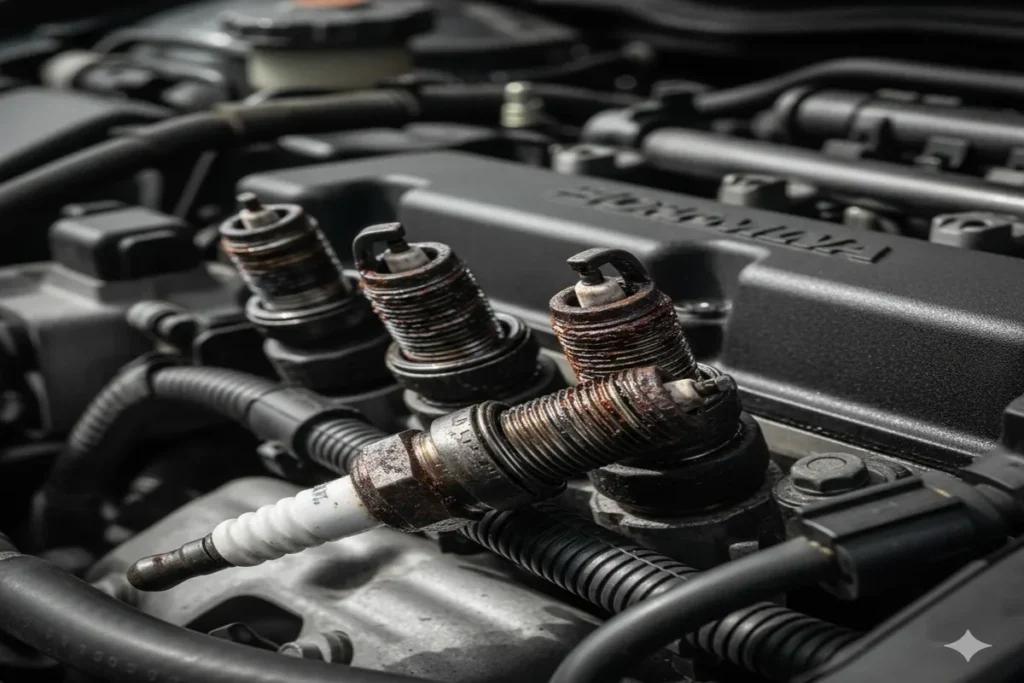
- Engine failure or rough idle
- Decreased acceleration or sluggish performance
- Poor fuel efficiency
- Check Engine light turns on.
- Engine hesitation during startup
- Unusual engine noises or vibration
- Difficulty starting the car
Do Engine Misfires and Rough Idling Mean Spark Plug Replacement?
Engine misfires and rough idling are common signs that your spark plugs may need replacement, but they can also indicate other issues like a plugged fuel injector or air filter problems. However, as spark plugs are worn or fouled they cannot burn the air fuel mixture properly causing misfires and rough operating. The key is always to check the spark plugs first as replacing them often resolves these issues and restores engine performance.
Must Read: How long does Honda Accord Hybrid Battery last – Full Guide!
Does Poor Fuel Economy Indicate Worn Spark Plugs in a Honda Accord?
Yes, poor fuel economy can indicate worn or faulty spark plugs in your Honda Accord. When spark plugs are not working correctly they fail to start the air fuel mixture efficiently causing the engine to work harder and consume more fuel. If you notice a drop in fuel efficiency this is a good idea to check and replace the spark plugs to restore optimal engine performance.
Hard Starting Problems: When to Replace Spark Plugs in a Honda Accord?
Challenging starting problems in your Honda Accord can be a sign that the spark plugs are worn or damaged. If the spark plugs are not firing correctly, the engine may struggle to start especially in cold weather. If you are experiencing long cranking times or difficulty starting then it is time to inspect and possibly replace the spark plugs to restore smooth engine performance and prevent further starting issues.
Can the Check Engine Light and Weak Acceleration Signal Spark Plug Issues Be Related?
Check Engine Light:
If the Check Engine light comes on this may indicate faulty spark plugs. The engine control unit detects misfires caused by worn or dirty spark plugs and issues the warning.
Weak Acceleration:
Weak acceleration often signals spark plug problems. Worn spark plugs fail to ignite the fuel air mixture efficiently causing sluggish engine response. Replacing them can restore normal acceleration.
Factors That Affect Honda Accord Spark Plug Lifespan:
- Driving habits: Frequent short trips or aggressive driving can shorten spark plug life.
- Engine type: Iridium or platinum spark plugs last longer compared to copper ones.
- Maintenance: Regular engine maintenance and clean air filters help prolong the lifespan of spark plugs.
- Fuel quality: Poor quality or dirty fuel can cause spark plugs to wear out more quickly.
- Environmental conditions: Extreme weather, such as excessive heat or cold can impact spark plug durability.
- Mileage: Higher mileage typically results in faster spark plug wear and the need for earlier replacement.
The Role of Driving Habits, Environment and Fuel Quality in Spark Plug Life:
Driving Habits:
Overdrive driving and frequent short trips can shorten spark plug life by causing carbon buildup and keeping the engine from warming up thoroughly. Smooth driving helps extend the longevity of spark plugs.
Environment:
Extreme temperatures, whether hot or cold can cause spark plugs to wear out faster. Hot climates overheat the engine while cold weather can affect combustion efficiency.
Fuel Quality:
Low quality or dirty fuel leads to carbon deposits on spark plugs, reducing their effectiveness and lifespan. Using high quality fuel ensures smoother combustion and longer lasting spark plugs.
Also Read: Honda Accord Hybrid Oil Change Interval – Expert Guide & Tips!
Types of Spark Plugs for Honda Accord and Their Average Lifespan:
- Copper Spark Plugs: 20,000 to 30,000 miles
- Platinum Spark Plugs: 60,000 to 100,000 miles
- Iridium Spark Plugs: 100,000 miles or more
- Double Platinum Spark Plugs: 60,000 to 100,000 miles
DIY Spark Plug Inspection Tips for Honda Accord Owners:
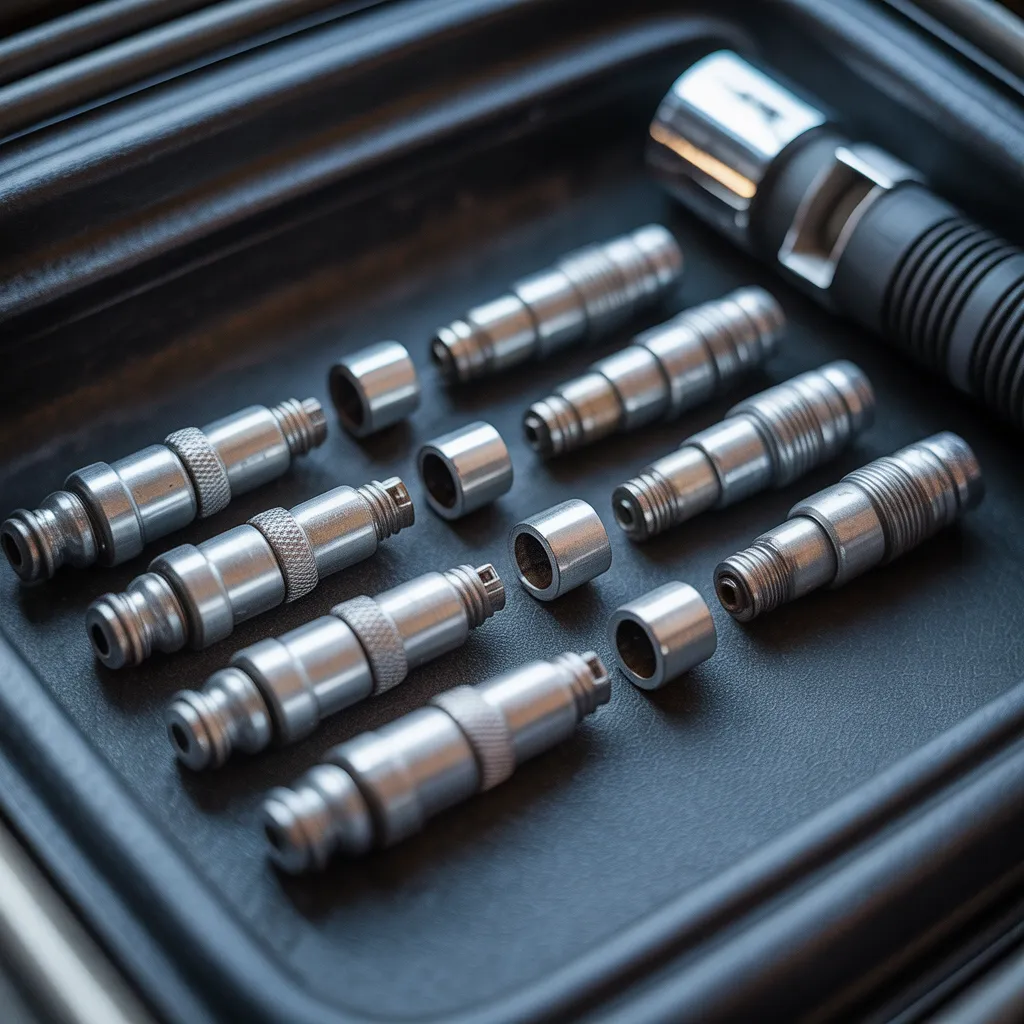
- Gather the Necessary Tools: a spark plug socket, ratchet wrench, and spark plug gap tool.
- Remove the Spark Plug: Carefully disconnect the spark plug wire and remove the spark plug using a socket wrench.
- Check for Wear: Inspect the wire for signs of wear or carbon buildup.
- Examine the Gap: Use a spark plug gap tool to ensure the gap is within manufacturer specifications.
- Look for Damage: Check for cracks or broken insulators which indicate the need for replacement.
- Clean or Replace: If the spark plug is worn, clean it lightly or replace it with a new one.
- Reinstall Properly: When reinstalling, torque the plug to the specified level to avoid damage.
How to Replace Spark Plugs in a Honda Accord:
- Gather Necessary Tools: Get a spark plug socket, ratchet wrench, spark plug gap tool and a torque wrench.
- Prepare the Vehicle: Turn off the engine, allow the motor to cool down and disconnect the negative battery terminal.
- Locate the Spark Plugs: Remove the engine cover to locate the spark plugs.
- Remove the Spark Plug Wires: Gently disconnect each spark plug wire or ignition coil from each corresponding spark plug.
- Unscrew the Old Spark Plugs: Use a spark plug socket and a wrench to carefully remove the old spark plugs.
- Inspect and Set the Gap: Inspect the new spark plugs for any damage and check the gap using the gap tool, adjusting if needed.
- Install the New Spark Plugs: Screw the new spark plugs in by hand then tighten with the torque wrench to the manufacturer’s specifications.
- Reconnect the Wires: Connect the spark plug wires or spark plug coils to the new spark plugs.
- Reinstall the Engine Cover: When you removed an engine cover, put it back in place.
- Reconnect the Battery: Reconnect the negative battery terminal and start the engine to check for smooth operation.
Common Mistakes to Avoid During Spark Plug Replacement:
- Over-tightening Spark Plugs: Over tightening can damage the threads or crack the spark plug insulator.
- Not Checking the Gap: Failing to gap the new spark plugs properly can affect engine performance.
- Using the Wrong Spark Plug Type: Always use the spark plugs recommended for your Honda Accord model.
- Forcing Spark Plugs Into Place: Never force spark plugs into the socket as this can damage the threads.
- Skipping Anti-Seize Compound: Not using anti seizure lubricant on the threads can make future removal difficult.
- Neglecting to Reconnect Wires Properly: Improperly reconnecting spark plug wires or ignition coils can lead to misfires.
- Ignoring Manufacturer Torque Specifications: Failing to use the correct torque when installing spark plugs can cause damage or improper sealing.
Honda Accord Spark Plug Replacement Cost DIY vs Mechanic:
DIY Spark Plug Replacement Cost:
If you choose to replace the spark plugs yourself, the cost will mainly include the price of the spark plugs and any necessary tools you may not already have.
- Spark Plugs: $15 – $80.
- Tools: $20 – $100.
Mechanic Spark Plug Replacement Cost:
When a mechanic performs the replacement the cost includes labor, parts and sometimes additional fees for diagnostic checks.
Benefits of Timely Spark Plug Replacement in a Honda Accord:
- Improved Engine Performance: Ensures smooth acceleration and better responsiveness.
- Better Fuel Efficiency: Helps the engine burn fuel more efficiently, resulting in reduced gas consumption.
- Reduced Emissions: Lowers carbon buildup and environmental impact.
- Prevents Misfires: Avoids engine misfires and costly damage.
- Enhanced Reliability: Reduces the risk of unexpected breakdowns.
- Lower Repair Costs: Prevents further damage and expensive repairs.
FAQ’s:
1. Can bad spark plugs cause poor acceleration in a Honda Accord?
Yes, worn out spark plugs can cause poor acceleration by failing to ignite the fuel air mixture properly leading to sluggish engine performance.
2. Is it safe to drive a Honda Accord with worn-out spark plugs?
No, driving with worn-out spark plugs can cause engine misfires, decreased fuel efficiency and other performance issues that can lead to costly repairs if left unaddressed.
3. Do I need to replace spark plugs if the Check Engine light is on?
Yes, the Check Engine light can be triggered by faulty spark plugs indicating the need for replacement to restore proper engine function.
4. How often should I inspect my Honda Accord’s spark plugs?
Regular inspection of spark plugs every 30,000 to 60,000 miles helps detect wear and tear early, ensuring your engine performs optimally.
5. What are the common signs that my spark plugs need replacement?
The most common signs include rough starting, poor acceleration, decreased fuel efficiency and the Check Engine light turning on.
Conclusion:
Knowing when to replace spark plugs in a Honda Accord is vital for maintaining peak engine performance. Timely spark plug replacement boosts fuel efficiency, enhances acceleration, and prevents engine misfires. Regular maintenance helps optimize combustion, reduce carbon buildup, and extend the longevity of your vehicle, ensuring your Honda Accord runs smoothly and reliably.