
Crocolini: The Hybrid Vegetable Revolutionizing Modern Healthy Eating
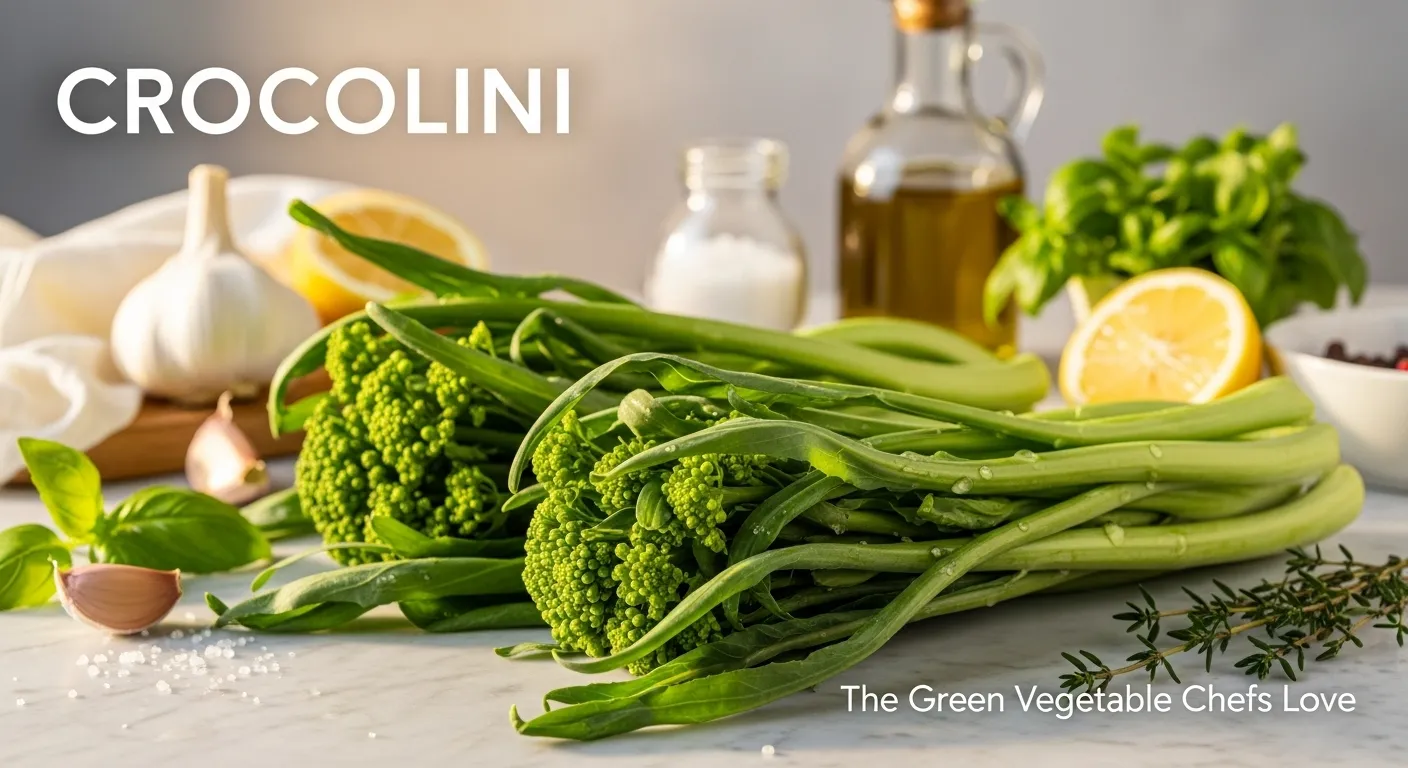
top wasting money on expensive salads. There’s a hidden vegetable about to revolutionize your kitchen—costing less than half the price. Enter crocolini: the hybrid green that tastes like a dream, cooks faster than ramen, and makes you look like a pro chef in 7 minutes.
Here’s what blows people away: Tender, buttery stalks. Sweet florets. Zero bitterness. ZERO waste—eat every part. Loaded with antioxidants that fight aging, vitamins that boost immunity, fiber that keeps you satisfied.
The catch? Most people don’t know it exists. Yet restaurants charge premium prices.
This changes today. Discover how to find it, cook it, and become the person everyone asks for recipes. Your dinner game just leveled up.
What Is Crocolini? Understanding This Innovative Hybrid Vegetable
Crocolini is a hybrid vegetable created through traditional plant breeding techniques, not genetic modification. This verdant green marvel is the result of crossing broccoli (Brassica oleracea italica) with Chinese kale, commonly known as gai lan (Brassica oleracea var. alboglabra). The result is a vegetable that marries the tender florets of traditional broccoli with the long, crisp, elegant stalks of its Chinese cousin.
Originally developed in Japan, crocolini was specifically engineered to combine the nutritional power of broccoli with the softer, more refined texture of Asian greens. This innovative approach to vegetable breeding reflects a growing trend in modern agriculture, where farmers and plant scientists work together to create crops that satisfy evolving consumer tastes while maintaining exceptional nutritional value.
Also Read: Rebecca Liddicoat: A Complete Biography of Her Life Beyond the Spotlight!
Key Characteristics of Crocolini
Unlike traditional broccoli, crocolini features a distinctly different structure. The stalks are slender and tender, meaning every part of the plant—from the delicate florets to the leaves and stems—is completely edible. This eliminates the need for trimming or peeling, making preparation simpler and reducing food waste. The florets are noticeably smaller than regular broccoli, creating a more refined, elegant appearance that appeals to both home cooks and professional chefs.
The Origins and Evolution of Crocolini
The development of crocolini wasn’t a happy accident; it was the result of purposeful agricultural innovation. Plant breeders recognized the limitations of conventional broccoli: dense, sometimes woody stalks and a flavor that some people find too strong or bitter. Simultaneously, they appreciated gai lan’s crisp texture and quick cooking time but wanted something milder in flavor.
By cross-breeding these two brassicas, scientists created a vegetable that offers the best of both worlds. Over the past decades, crocolini has gradually gained global popularity, particularly in Europe and North America, where innovative chefs embraced it for both its visual appeal and culinary performance. Today, it’s becoming increasingly available in grocery stores, farmers’ markets, and specialty produce shops across the United States and beyond.
Flavor Profile and Taste: Why Crocolini Stands Out
One of crocolini’s most appealing qualities is its balanced flavor profile. If you find standard broccoli too bitter or strongly vegetative, crocolini hits a delicious middle ground. The taste is intricate but easily enjoyed by various palates, including those sensitive to bitterness.
The florets retain a mild sweetness reminiscent of young broccoli, while the slender stalks deliver a gentle bitterness that becomes subtly richer once heat is applied. This complexity makes it versatile—equally comfortable in simple preparations as in more sophisticated dishes. The flavor sits somewhere between broccoli and asparagus, with subtle peppery notes that add depth without overwhelming the palate.
Nutritional Value: A Powerhouse of Health Benefits
Crocolini is significantly more than just a tasty vegetable; it’s a nutritional powerhouse packed with essential vitamins, minerals, and antioxidants. Understanding its nutritional profile helps explain why nutrition experts increasingly recommend adding it to your diet.
Essential Nutrients in Crocolini
Vitamins: Crocolini delivers impressive amounts of vitamin C, which strengthens the immune system and supports collagen synthesis for healthy skin. It’s also rich in vitamin K, crucial for bone health and blood clotting mechanisms. Additionally, vitamin A content supports vision and immune function.
Minerals: This hybrid vegetable contains significant quantities of potassium, which helps regulate blood pressure and supports cardiovascular health. It also provides iron, calcium, and magnesium—minerals essential for maintaining strong bones and muscles.
Antioxidants: Perhaps most impressively, crocolini is loaded with powerful antioxidants including lutein, sulforaphane, and beta-carotene. These compounds combat inflammation, neutralize harmful free radicals, and may help reduce the risk of chronic diseases such as heart disease, diabetes, and certain cancers.
Fiber: The dietary fiber content promotes digestive health, stabilizes blood sugar levels, and keeps you feeling full longer—making it an excellent choice for weight management and gut health.
Calorie Content and Digestibility
With minimal calories but maximum nutritional density, crocolini is an ideal vegetable for anyone watching their calorie intake without compromising nutrition. Its tender stalks also make it easier to digest than traditional broccoli, making it accessible for people with sensitive digestive systems.
Also Read: Phil or Lil of Rugrats Crossword: Complete Guide to This Popular Clue
How to Select and Store Crocolini
Finding and maintaining fresh crocolini is straightforward, ensuring you can enjoy its benefits at peak quality.
Choosing Quality Crocolini
When shopping for crocolini, look for these indicators of freshness and quality:
- Bright, vibrant green color throughout the stems and florets
- Firm, crisp stems with no signs of wilting or softness
- Tight, compact florets with no yellowing or browning
- No slimy texture or unpleasant odors
- Fresh-looking leaves without blemishes
Storage Tips for Maximum Freshness
Proper storage extends the life of your crocolini and maintains its nutritional value and flavor:
Store crocolini in the refrigerator in a breathable produce bag or container to prevent moisture buildup that can accelerate spoilage. For optimal flavor and nutrition, consume it within three to five days of purchase. Do not wash it before storing, as excess moisture promotes decay.
For longer-term preservation, blanch crocolini briefly in boiling water, plunge it into ice water to stop the cooking process, then freeze it. This technique locks in color, flavor, and nutrients, ensuring year-round availability without sacrificing quality.
Cooking Methods: Simple Techniques for Maximum Flavor
One of crocolini’s greatest advantages is how quickly and easily it cooks. Its slender structure means it requires significantly less time than traditional broccoli, making it perfect for weeknight dinners.
Sautéing: The Quick and Simple Method
Heat olive oil or butter in a pan over medium-high heat. Add crocolini and cook for approximately five to seven minutes, stirring occasionally. Season with salt, pepper, and a squeeze of fresh lemon juice for brightness. This method takes less than 15 minutes from start to finish.
Roasting: For Caramelized Edges and Enhanced Sweetness
Toss crocolini with olive oil, salt, and your preferred seasonings. Spread it on a baking sheet and roast at 425°F for 10 to 12 minutes. Roasting brings out the vegetable’s natural sweetness and creates beautifully caramelized edges that add depth to its flavor.
Steaming: The Gentlest Cooking Method
Place crocolini in a steamer basket over boiling water and cook for five to eight minutes until tender-crisp. This method preserves maximum nutrients and creates a delicate texture perfect for pairing with light sauces.
Grilling: For Elegant Presentation
Toss crocolini with oil and seasonings, then grill over medium-high heat for five to seven minutes, turning occasionally. The grill marks create an visually striking presentation while adding subtle smoky notes.
Stir-Frying: Perfect for Asian-Inspired Dishes
Cut crocolini into manageable pieces and stir-fry in a hot wok or large skillet with sesame oil, garlic, ginger, and soy sauce. The quick cooking time and tender texture make it ideal for this cooking method.
Crocolini in the Kitchen: Versatile Recipe Ideas
Crocolini’s mild yet complex flavor makes it remarkably versatile, working beautifully across various cuisines and meal types.
Breakfast Applications
Start your day with crocolini sautéed with garlic and added to omelets, frittatas, or quiches for an elegant, nutritious touch. Alternatively, blend it into green smoothies or add it to breakfast bowls for an early morning nutrient boost.
Lunch and Light Meals
Include steamed or blanched crocolini in quinoa bowls, grain salads, or sandwiches for added crunch and nutrition. Its tender stems hold up well without becoming soggy, making it ideal for cold preparations.
Dinner Main Courses and Sides
Toss roasted crocolini with pasta, garlic, and parmesan for a simple yet satisfying dinner. Pair sautéed crocolini with grilled salmon, roasted chicken, or plant-based proteins like tofu. It also serves as an excellent base for vegan pasta dishes and creamy risottos.
Global Cuisine Applications
In Asian-inspired dishes, crocolini shines alongside soy sauce, sesame oil, ginger, and umami-rich ingredients. For Mediterranean preparations, pair it with olive oil, lemon, fresh herbs, and garlic. In Western cuisine, it complements both delicate and bold flavors equally well.
Crocolini vs. Traditional Broccoli: Key Differences
Understanding how crocolini differs from conventional broccoli helps explain its growing popularity among home cooks and professional chefs.
Traditional broccoli features thick, dense stalks that often require peeling before eating. Regular broccoli has a stronger, sometimes bitter flavor that doesn’t appeal to everyone. Cooking time is longer, and there’s often waste due to the need to trim away tough portions.
Crocolini, by contrast, has tender stalks that are entirely edible without peeling. The flavor is milder and slightly sweeter, making it more approachable for those sensitive to bitterness. Cooking time is significantly shorter—usually five to seven minutes versus 10 to 15 minutes for traditional broccoli. Additionally, the full plant is edible, reducing food waste substantially.
Environmental Benefits and Sustainable Agriculture
Beyond its culinary and nutritional advantages, crocolini represents a more sustainable approach to agriculture. The vegetable grows well in diverse soil conditions and requires less water than many other greens. Its full edibility reduces food waste at both farm and home levels, supporting a more circular food system.
Crocolini is often grown using sustainable farming practices similar to those employed for broccoli and kale, thriving in mild climates with efficient resource use. When locally sourced, it further minimizes carbon footprint by reducing transportation emissions. Its shorter cooking time also means less energy consumption during meal preparation.
Crocolini for Different Diets and Lifestyles
The versatility of crocolini makes it suitable for virtually any dietary approach or lifestyle.
Plant-Based and Vegan Diets
Crocolini is an excellent nutrient-dense vegetable for plant-based diets, providing vitamins, minerals, and phytonutrients typically sourced from animal products. Its complete protein-complementary profile works well in combination with grains and legumes.
Keto and Low-Carb Approaches
With minimal carbohydrates and maximum nutrients, crocolini fits perfectly into ketogenic and low-carb eating plans.
Mediterranean Diet
The vegetable aligns beautifully with Mediterranean diet principles, particularly when prepared with olive oil, garlic, and fresh herbs.
Family-Friendly Eating
Even picky eaters tend to accept crocolini more readily than stronger-tasting greens. Its sweetness and tender texture appeal to children and those new to healthy eating.
Common Cooking Mistakes to Avoid
To maximize crocolini’s appeal and nutritional value, avoid these common preparation errors:
Overcooking: The slender structure means crocolini cooks quickly. Overcooking causes stems to become limp and florets to turn mushy, diminishing both texture and color. Cook until just tender-crisp.
Ignoring stem flavor: Many people focus only on the florets, missing out on the complex flavor the stems provide. Don’t discard them—they’re flavorful and tender.
Poor seasoning: Crocolini’s mild flavor benefits from thoughtful seasoning. Don’t leave it bland—add garlic, lemon, quality salt, pepper, or umami ingredients.
Washing before storage: Pre-washing introduces moisture that promotes decay. Wash only immediately before cooking.
Where to Buy Crocolini
Crocolini is becoming increasingly available across North America and Europe. Look for it at:
- Local farmers’ markets, especially those featuring specialty or heirloom vegetables
- Grocery store produce sections, typically in the broccoli and greens section
- Specialty grocery stores and organic food shops
- Online produce delivery services
- Asian markets, where it’s often readily available
As demand continues rising, availability is expanding, particularly in markets prioritizing high-quality fresh produce.
Conclusion: Why Crocolini Deserves a Spot on Your Plate
Crocolini represents far more than a passing culinary trend. This innovative hybrid vegetable addresses real challenges in modern eating: the desire for vegetables that taste good, cook quickly, and deliver exceptional nutrition. From its mild, slightly sweet flavor to its tender, entirely edible structure, crocolini offers practical solutions for health-conscious cooks seeking to expand their vegetable repertoire.
Whether you’re a seasoned chef exploring new ingredients or a home cook simply looking to make healthier meal choices, crocolini delivers. Its versatility across cuisines, impressive nutritional profile, and ease of preparation make it worthy of regular inclusion in your meals. Start with simple preparations like sautéing with garlic and olive oil, then explore the countless possibilities this remarkable vegetable offers.
The growing popularity of crocolini reflects a broader shift toward vegetables that are simultaneously delicious, nutritious, and sustainable. As more people discover its unique qualities, crocolini is rightfully earning its place as a staple in modern kitchens. Add it to your next shopping list and experience why this exceptional hybrid vegetable is transforming the way we think about healthy eating.