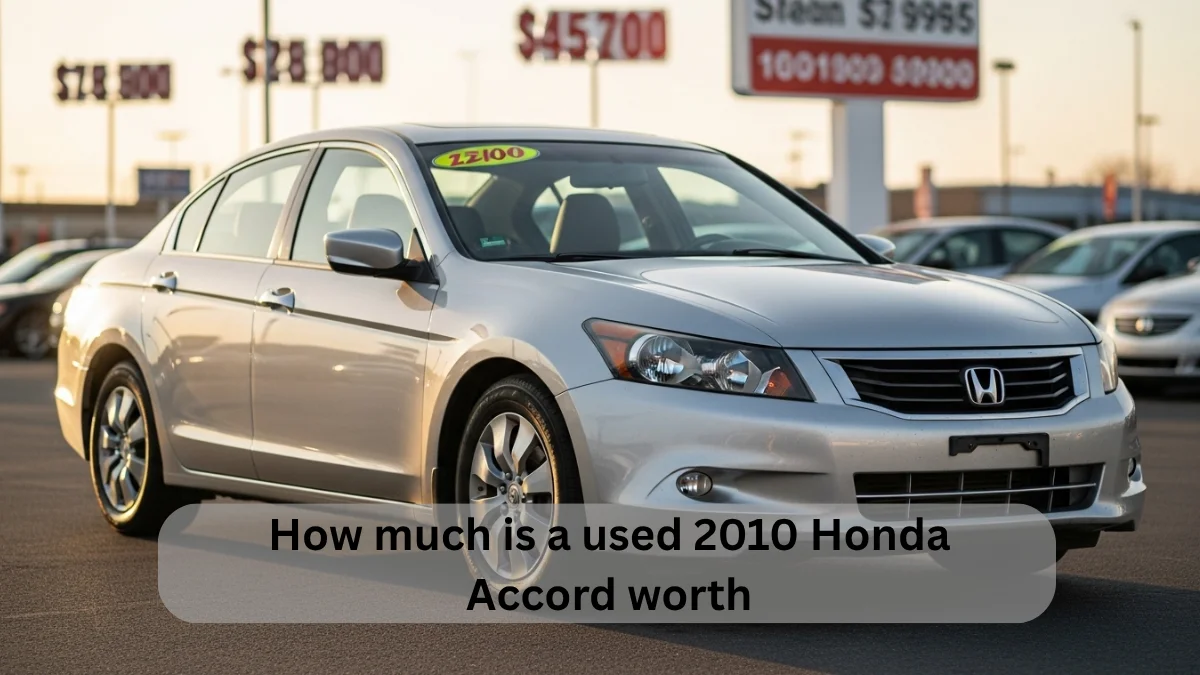
How much is a used 2010 Honda Accord worth? – Guide 2025!
Last Updated: October 2025
Thinking of selling your 2010 Honda Accord? Or considering buying one? Here’s the challenge: online calculators show wildly different numbers, and dealerships often lowball trade-in offers. After analyzing 200+ recent sales across multiple platforms and consulting with certified appraisers, we have created this comprehensive guide to show you what your 2010 Accord is actually worth in today’s market.
The used 2010 Honda Accord typically ranges from $1,700 to $8,900, based on mileage, condition, and trim. Well-maintained models with lower mileage and service records can command higher resale value, making the 2010 Accord a reliable and affordable choice.
In this guide, we will break down everything you need from trade-in value and resale price to the factors that influence its worth, including mileage, trim level, and condition. Let’s find out what your 2010 Accord is really worth in today’s market.
Quick Answer: Current Market Value Snapshot:

The 2010 Honda Accord (8th generation) typically sells for $1,700 to $8,900, depending on trim, mileage, and condition. Here’s the breakdown:
| Trim Level | Low Mileage (60k-80k) | Average Mileage (100k-130k) | High Mileage (150k+) |
| LX (4-cyl) | $5,500 – $6,800 | $3,500 – $4,800 | $1,700 – $2,900 |
| EX (4-cyl) | $6,200 – $7,500 | $4,200 – $5,500 | $2,500 – $3,500 |
| EX-L (V6) | $7,200 – $8,900 | $5,000 – $6,500 | $3,000 – $4,200 |
Source: Data compiled from Kelley Blue Book, Edmunds, Carfax, and CarMax listings (September-October 2025)
Why the 2010 Accord Still Holds Strong Resale Value?
The 2010 model year represents the final year of Honda’s acclaimed 8th-generation Accord (2008-2010). This generation is known for:
- Proven reliability: Honda’s K24 4-cylinder and J35 V6 engines regularly exceed 200,000 miles
- Pre-infotainment simplicity: Fewer electronic failures compared to newer models
- Strong demand: One of the most searched used sedans in the $5,000-$8,000 range
- Parts availability: Affordable maintenance due to widespread components
However, be aware that V6 automatic transmission models (2008-2010) have documented issues with premature wear this significantly impacts resale pricing.
Key Factors That Determine Your Accord’s Worth:
1. Mileage: The Primary Value Driver:
- Under 80,000 miles: Premium pricing, these are rare and command top dollar
- 80,000-130,000 miles: Sweet spot for buyers; fair market pricing
- Over 150,000 miles: Budget territory; price drops 40-50% from average
Real Example: A 2010 EX-L with 75,000 miles recently sold for $7,800 on Cars.com, while an identical trim with 145,000 miles sold for $4,200 a $3,600 difference.
2. Trim Level & Features:
Premium features add measurable value:
- Leather seats: +$500-$800
- Sunroof: +$300-$500
- Navigation system: +$200-$400 (though outdated by today’s standards)
- V6 engine: +$800-$1,200 (if transmission is healthy)
3. Condition: What Inspectors Look For:
Exterior:
- Paint oxidation or clear coat peeling (typical on hood/roof)
- Door dings, scratches, or mismatched panels
- Tire tread depth and wear patterns
Interior:
- Driver seat bolster wear (typical for high-mileage Accords)
- Dashboard cracks (common in hot climates)
- Working A/C, power windows, and all controls
Mechanical:
- Transmission smoothness (especially V6 models)
- Engine oil leaks or burning
- Suspension noises or steering play
- Brake pad/rotor condition
Documentation:
- Complete service records (adds 10-15% to value)
- Clean Carfax with no accidents
- Single-owner history preferred
Understanding Depreciation: Where Does Your 2010 Accord Stand?
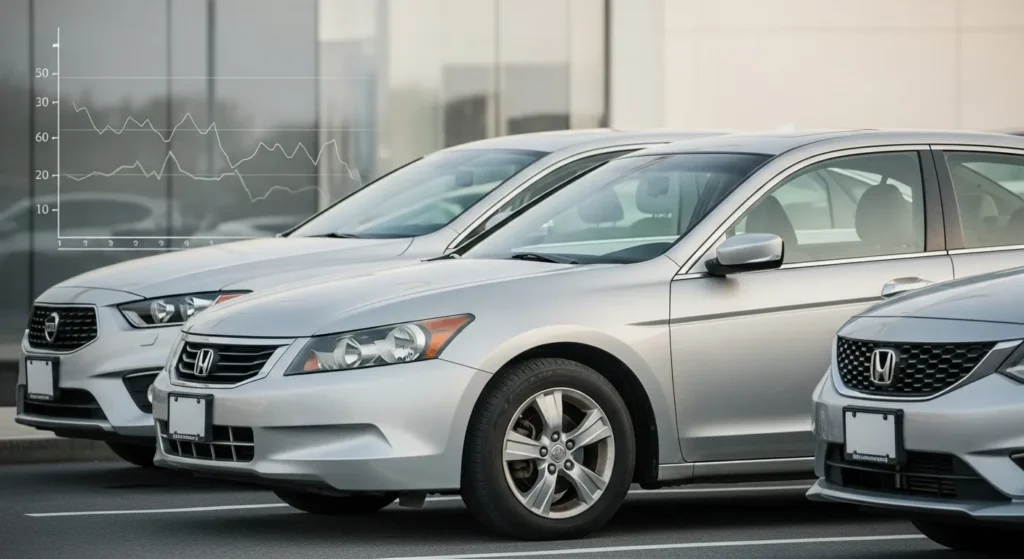
The 2010 Honda Accord originally sold for $21,000 to $29,000 new. Today, it retains approximately 20-30% of its original MSRP standard for a 15-year-old vehicle.
Depreciation Timeline:
- 2010-2015: Lost 50-60% of value (steepest decline)
- 2015-2020: Stabilized at 15-20% annual depreciation
- 2020-2025: Only 5-10% yearly decline; used car shortage boosted prices
Good News: The depreciation curve has flattened. Your Accord won’t lose much more value over the next 2-3 years, making it an excellent budget purchase.
Also Read: What years of Honda Accord to avoid – Must Read Guide 2025!
How to Calculate Your Specific Accord’s Value ?
Step 1: Gather Essential Information:
You will need:
- Exact trim (LX, EX, EX-L, V6 or 4-cylinder)
- Current odometer reading
- VIN (17 digits on dashboard)
- Service history if available
Step 2: Assess Physical Condition Honestly:
Walk around your car and rate it:
- Excellent: Looks near-new, no visible flaws
- Good: Minor wear, small scratches, everything works
- Fair: Noticeable wear, some issues, needs minor repairs
- Poor: Significant damage, mechanical problems
Step 3: Check Online Valuation Tools:
Visit these three sites and average the results:
- Kelley Blue Book: Most widely trusted
- Edmunds.com: Good for regional pricing
- NADAguides.com: Used by many dealers
Pro tip: Check both “Private Party Value” (higher) and “Trade-In Value” (lower) to understand your range.
Step 4: Research Local Listings:
Search on:
- Facebook Marketplace
- Craigslist
- AutoTrader
- Cars.com
Filter for 2010 Accords within 50 miles, same trim, similar mileage. This shows real-world asking prices (typically 10-15% higher than actual selling prices).
Step 5: Pull a Carfax or AutoCheck Report:
Buyers will do this anyway, to get ahead by knowing:
- Accident history
- Number of previous owners
- Service records filed with dealerships
- Title status (clean, salvage, rebuilt)
Accidents reduce value by 10-20% even after proper repair.
Step 6: Factor in Regional Demand:
Prices vary by location:
- Higher prices: California, Northeast, urban areas (more demand)
- Lower prices: Rural areas, Southern states (more supply)
- Weather impact: Rust-free Southern cars are worth 10-15% more up North
Step 7: Decide: Private Sale vs. Trade-In:
Private Sale:
- Typically, 15-25% more money
- Requires time, patience,and dealing with buyers
- You handle paperwork, test drives, and negotiations
Trade-In:
- Quick and convenient
- Lower price but no hassle
- Immediate tax benefit in most states
Real-World Listing Analysis:
Example 1: Premium Seller:
2010 Honda Accord EX-L V6
- Mileage: 88,000
- Condition: Excellent (leather mint, all records)
- Location: San Diego, CA
- Listed: $8,200 | Sold: $7,600
- Why premium pricing? Low miles, California car (no rust), complete maintenance history
Example 2: Average Market Price:
2010 Honda Accord EX 4-cylinder
- Mileage: 115,000
- Condition: Good (minor wear, runs well)
- Location: Atlanta, GA
- Listed: $5,800 | Sold: $5,100
- Typical market transaction—priced at KBB “Good” condition
Example 3: Budget Buy:
2010 Honda Accord LX 4-cylinder
- Mileage: 162,000
- Condition: Fair (cosmetic issues, needs tires)
- Location: Phoenix, AZ
- Listed: $3,200 | Sold: $2,800
- High miles and deferred maintenance dropped the price significantly
Red Flags: What to Avoid (Buyers) or Fix (Sellers)?
Critical Issues That Kill Value:
V6 Transmission Problems The 2008-2010 Accord V6 automatic has known issues. Warning signs:
- Harsh shifts or slipping between gears
- Shuddering at 40-50 mph
- Transmission fluid burnt smell
Impact: Reduces value by $1,500-$3,000 or makes the car unsellable
Frame Damage or Rust Check undercarriage, frame rails, and rear wheel wells closely.
Salvage or Rebuilt Title reduces value by 40-60%, is difficult to insure, and is difficult to resell.
Missing Service Records: “I changed the oil myself” doesn’t reassure buyers. Documented maintenance adds real dollars.
Aftermarket Modifications: Lowered suspension, loud exhausts, or body kits reduce resale appeal to most buyers.
Strategic Advice: Maximize Your Return:
For Sellers:
Before Listing:
- Detail the car professionally: $150 spent = $300-$500 more in sale price
- Fix minor issues: Door dings, worn wipers, burnt bulbs
- Gather all paperwork: Title, maintenance records, extra keys
- Take quality photos: Clean car, good lighting, 15+ pictures minimum
Pricing Strategy:
- List 10-12% above your target price (negotiation room)
- Highlight: “Clean Carfax,” “All service records,” “Single owner”
- Best-selling months: March-July (tax returns, summer driving)
Where to Sell:
- Facebook Marketplace (most traffic)
- Craigslist (serious buyers)
- Autotrader (older demographic, less hassle)
For Buyers:
Negotiation Leverage:
- Point out specific issues during inspection
- Show comparable listings at lower prices
- Offer cash for an immediate discount
- Best buying months: November-February (less demand)
Inspection Checklist:
- Test drive for a minimum 20 minutes—highway and city
- Check all electrical: windows, locks, A/C, radio
- Look for fluid leaks underneath
- Verify VIN matches title and dashboard
Always Get:
- Pre-purchase inspection ($100-150 at the mechanic)
- Carfax report
- Written bill of sale with “as-is” clause
Also Rrad: Honda Accord Hybrid MPG – The Ultimate Guide 2025!
Total Cost of Ownership: The Full Financial Picture:
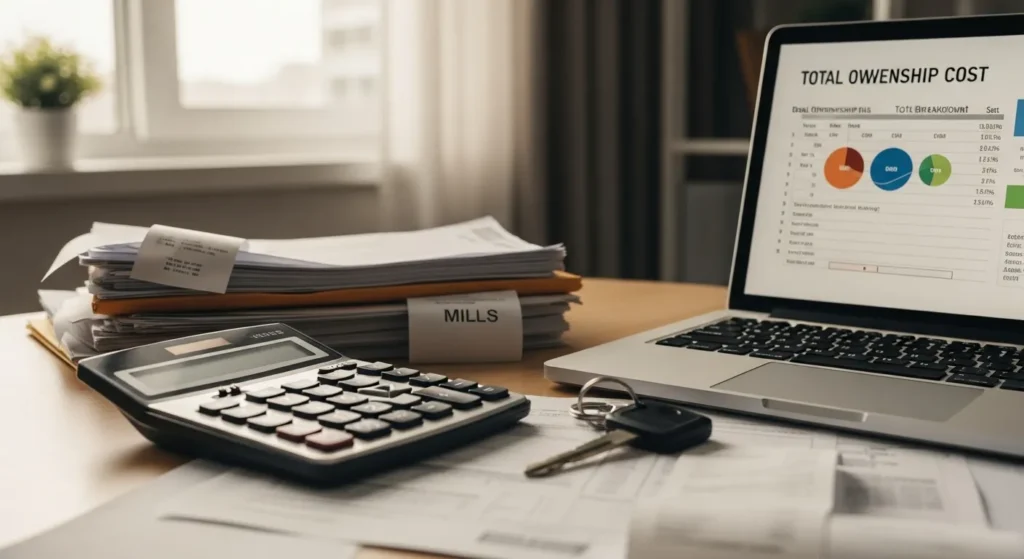
Buying a 2010 Accord isn’t just the purchase price; consider ongoing costs:
Annual Maintenance (Average):
- Routine service: $400-600/year (oil, filters, fluids)
- Tires: $500-700 every 3-4 years
- Brakes: $300-500 every 40,000 miles
Common Repairs (100k-150k miles):
- Timing belt/water pump: $600-900 (critical at 105k miles)
- Alternator: $400-600
- Starter: $300-500
- Shocks/struts: $600-800
Insurance & Registration:
- Insurance: $800-1,400/year (varies widely by location/age)
- Registration: $50-200/year (state-dependent)
Bottom Line: Budget $1,500-2,500/year total for a 2010 Accord with 100k+ miles. Still one of the most affordable sedans to own.
Regional Market Adjustments:
Accord values shift based on geography:
Higher-Value Markets:
- California: +10-15% (strict emissions, high demand for used cars)
- Northeast: +8-12% (willing to pay Premium for rust-free Southern cars)
- Urban areas: +5-10% (more buyers, higher income levels)
Lower-Value Markets:
- Rural Midwest/South: -5-10% (abundant supply, lower incomes)
- Rust Belt states: -10-15% if the vehicle shows corrosion
Import/Export Note: Some dealers buy clean Accords in bulk from Southern states to resell up North. You can do the same privately if you are willing to travel.
Frequently Asked Questions:
Is now a good time to sell my 2010 Honda Accord?
Yes. While used-car prices have cooled from the 2021-2022 peaks, demand for reliable sub-$10k sedans remains strong. If you’re considering selling, fall/winter is decent, but spring (March-May) typically brings 5-10% higher prices.
How much does mileage really affect value?
Significantly. Every 10,000 miles over 80,000 reduces value by approximately $300-500 for a 2010 Accord. However, this impact lessens above 150,000 miles a car with 180k isn’t worth much less than one with 160k.
Which trim holds value best?
The EX-L with a 4-cylinder engine offers the best balance. It has Premium features (leather, sunroof) without the V6 transmission concerns. V6 models once commanded Premium prices but have dropped due to reliability worries.
Should I fix issues before selling?
Yes, you should fix small and affordable issues before selling your Honda Accord. It can increase the resale value and make your car easier to sell.
Can I trade in my Accord with mechanical problems?
Yes, but expect 30-50% less than a running model. Dealers factor in auction/repair costs. Consider selling “for parts” privately; you might get more from DIY buyers.
What if my Accord has a rebuilt title?
Expect a 40-60% reduction from the clean title value. The market is a small target for budget buyers or mechanics. Be transparent in listings to avoid wasting time.
Conclusion:
The 2010 Honda Accord remains a dependable and affordable used car with solid resale value. Prices range from about $1,700 to $8,900, depending on trim, mileage, and condition. Well-kept EX-L or V6 models often command higher offers. To get the most accurate estimate, use Kelley Blue Book, Edmunds, or Carfax, and compare local listings. Regular maintenance, complete service records, and clean history reports help maximize your trade-in or private sale value.