What years of Honda Accord to avoid – Must Read Guide 2025!
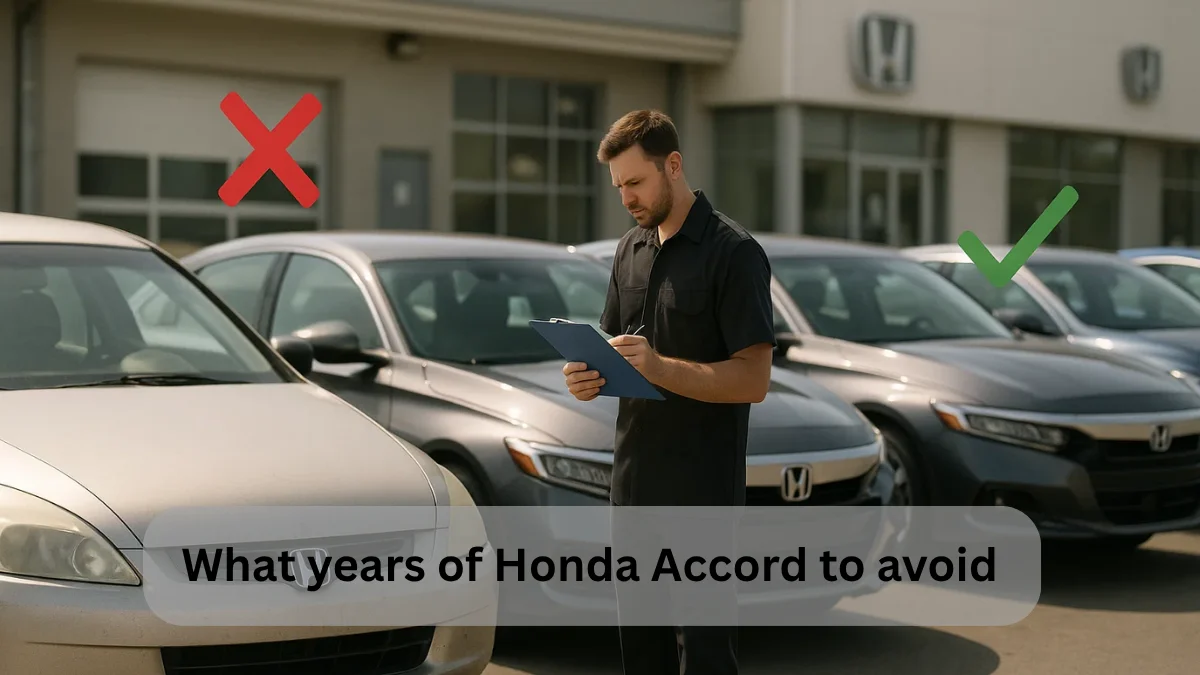
Based on reliability data, avoid 2003, 2008, and 2013 Honda Accord models due to transmission failures and high oil usage. The 2001-2003 generation had transmission issues, while 2008-2010 models experienced early engine problems. Consider 2013-2017 models only after thorough testing.
Over 2,800 Honda Accord owners filed complaints about transmission failures in just one model year alone. Thinking about buying a used Accord? Before you sign that paperwork, learn exactly which years caused $3,000+ repair nightmares and which generations offer bulletproof reliability that lasts 200,000+ miles.
Why are Certain Honda Accord Years known for Problems?
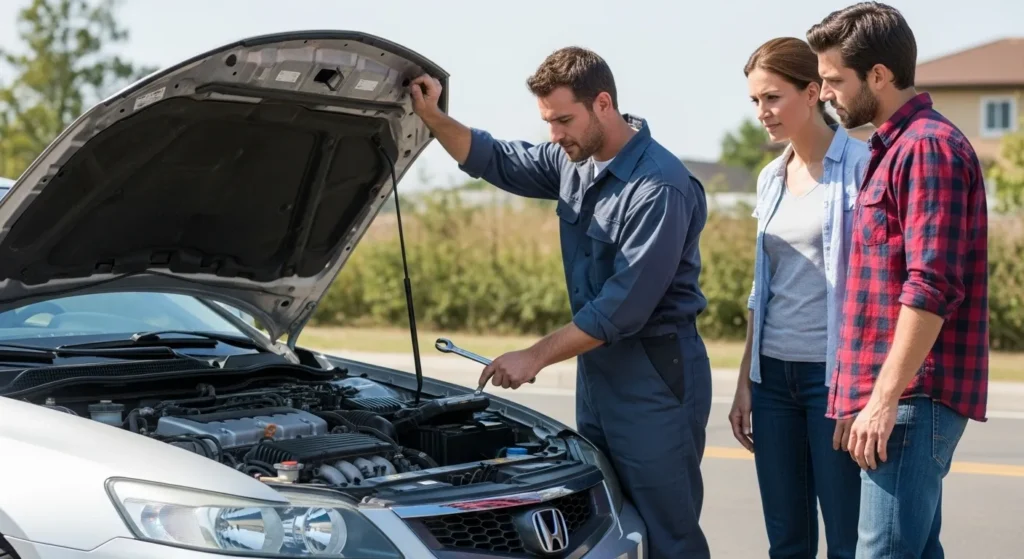
Honda Accord models from certain years experienced serious problems due to manufacturing defects and design flaws. If you are researching what years of Honda Accord to avoid, understanding the root causes helps you make smarter decisions.
The 2003, 2008, and 2013 models faced transmission failures, engine issues, and excessive oil consumption. These were not minor glitches; they were expensive repairs that cost owners thousands of dollars, making these years risky purchases.
Which Honda Accord Years to Avoid and Which Are Safe to Buy?
Let’s dive into the specific model years you should avoid and which ones offer the best value and reliability.
Years to Avoid:
The 2003 Accord has major transmission failures around 90,000 miles, costing $3,000+ to fix. The 2008 model burns too much oil and needs costly engine repairs. The 2013 version suffers from engine vibrations and CVT problems.
Safe Years to Buy:
The 2006-2007 models are reliable with strong engines that last 200,000+ miles. The 2011-2012 Accord offers great fuel economy and low repair costs. The 2018-2022 versions have modern safety features and excellent reliability ratings.
Honda Accord Years to Avoid:
1998-2002 Honda Accord:
I have watched too many of these Accords fail at repair shops. The automatic transmission, especially in V6 models, quit working around 80,000 miles. Fixing it cost more than what the car was worth.
2003-2005 Honda Accord:
The 2003 is hands-down the worst Accord ever made. Thousands of people got stuck with failed transmissions that Honda knew about but didn’t fix quickly. The 2004-2005 models had the same issues, just slightly less common.
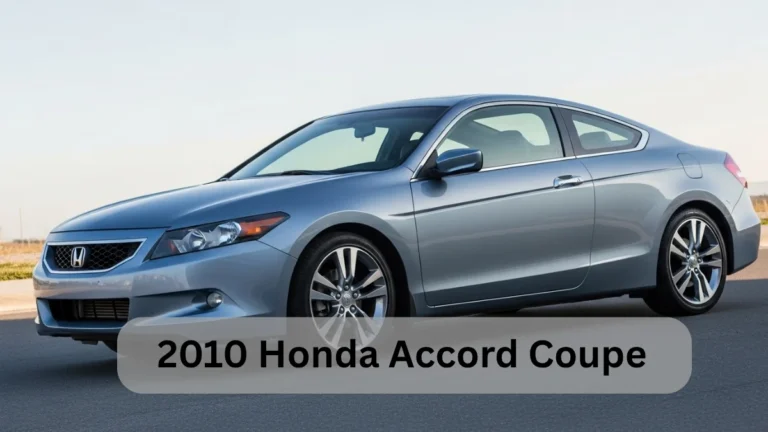
2008-2010 Honda Accord:
These models looked reliable, but burned oil like crazy. Owners checked their oil weekly because engines consumed it so fast. Forget to top it up, and you will damage your engine permanently.
2013 Honda Accord:
Honda rushed this redesign, and it showed. Strange vibrations, brakes wearing out fast and frozen touch screens upset owners. The CVT transmission worried me most because early problems usually mean bigger failures later.
2008-2010 Honda Accord: Oil Consumption and Brake Wear
Engine Burns Too Much Oil:
These models suffer from excessive oil consumption that catches owners by surprise. The engine burns through a full quart every 1,000 miles, which means constant monitoring and refilling. Poor engine lubrication from low oil levels causes serious internal damage. Fixing worn piston rings and cylinder walls costs $2,000-$3,000 at most repair shops.
Brake Pads Wear Out Quickly:
Early brake wear is another common complaint from owners. Brake pads need to be replaced every 20,000 miles, instead of lasting 40,000 miles like standard vehicles. The brake rotors also warp faster, grinding and squeaking during stops. This doubles your maintenance costs compared to other reliable sedans in the same class.
Also Read: Honda Accord Hybrid MPG – The Ultimate Guide 2025!
2013-2014 Honda Accord: CVT and Electrical Issues:
Transmission Problems Start Early:
The gearbox jerks and skips during acceleration. Owners feel a shudder between 30 and 40 mph while driving normally. Transmission slips create dangerous highway situations. Complete replacement costs $3,000-$4,500.
Touch Screen and Electrical Failures:
The entertainment system freezes and ignores touch commands. Bluetooth drops constantly, creating problems with hands-free calling. Dashboard warning lights flicker randomly. Power windows and door locks fail, needing $800+ control module repairs.
2018 Honda Accord: First-Year Model Entertainment Problems:
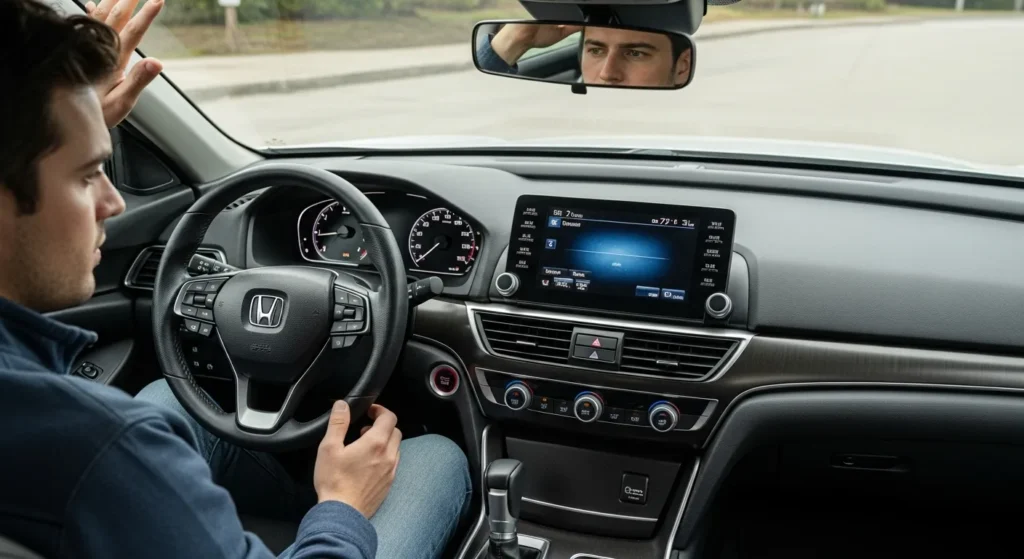
The redesigned model came with a frustrating touch screen that freezes randomly and restarts during drives. Apple CarPlay and Android Auto disconnect without warning, forcing drivers to reconnect repeatedly.
Software updates from dealerships helped some owners, but many still experienced slow responses and unresponsive controls throughout ownership.
Common Honda Accord Problems to Watch For:
- Automatic gearbox failures:Slipping, jerking, and complete breakdowns around 90,000 miles, costing $3,000+ for replacement.
- Excessive engine oil burning: Using one quart every 1,000 miles, risking internal damage.
- Premature brake wear: Pads wearing out twice as fast, needing replacement every 20,000 miles.
- Touch screen freezing: Entertainment systems are becoming unresponsive during drives.
- Airbag recall issues: Takata airbag defects affecting multiple model years, requiring immediate dealer inspection.
Honda Accord Problem Counts by Year:
| Model Year | Complaints Filed | Main Issues |
| 2003 | 2,800+ | Transmission failures, engine stalling |
| 2008 | 1,900+ | Oil consumption, brake problems |
| 2013 | 1,500+ | CVT issues, electrical faults |
| 2018 | 800+ | Infotainment glitches, software bugs |
Source: NHTSA Complaint Database (nhtsa.gov) and Consumer Reports Reliability Surveys
The Best Honda Accord Years to Buy:
2006-2007: Reliable engines that last 200,000+ miles after Honda fixed earlier transmission defects. Both four-cylinder and V6 options run strong.
2011-2012: Excellent fuel economy with 30+ mpg highway. Spacious interiors and affordable parts make maintenance budget-friendly.
2016-2017: Modern safety tech like lane-keeping and collision warning included smooth transmissions with minimal owner complaints reported.
2018-2022: Turbocharged performance meets great gas mileage. Advanced driver assists come standard. Consumer Reports consistently ranks these among the most reliable sedans in their class.
Most reliable Honda Accord years:
The 2006-2007 and 2018-2022 models last 200,000+ miles with few problems. I’ve seen these handle daily driving without expensive transmission or engine repairs. They offer great fuel economy, affordable parts, and strong resale value that holds up over time.
Also Read: 2007 Honda Accord oil type – You Need to Know!
Honda Accord Generation Overview: Which One is Right for You?

Choose the sixth or seventh generation (1998-2007) for budget-friendly reliability. The eighth generation (2008-2012) offers decent fuel economy, but watch for oil issues. Ninth generation (2013-2017) brings modern tech at fair prices.
Tenth generation (2018-present) delivers advanced safety and turbocharged power with proven dependability.
How to Shop Smarter for a Reliable Used Honda Accord?
Knowing which years of Honda Accord to avoid is just the first step; proper inspection can help you avoid buying a lemon.
- Check complete service records: look for regular oil changes every 5,000 miles and scheduled maintenance that show the previous owner cared for the vehicle properly.
- Test drive at highway speeds – Feel for transmission hesitation, unusual vibrations, or jerking between gears that signal expensive repairs ahead.
- Inspect oil levels carefully: Pull the dipstick when the engine’s warm. Low oil or a dark, burnt smell means consumption problems.
- Get pre-purchase inspection: Pay a trusted mechanic $100-150 to check hidden issues like worn brake rotors, suspension damage, or fluid leaks.
- Verify recall completion: Check the NHTSA website using the VIN to confirm that all safety recalls, especially Takata airbags, were repaired correctly at dealerships.
FAQ’s:
Is buying a high-mileage Honda Accord a good idea?
Yes, if it is 2006-2007, 2011-2012, or 2018-2022 with service records. Avoid 2003, 2008, and 2013 models.
Should I avoid all Honda Accords with CVT transmissions?
No, only 2013-2014 CVT models have problems. Models from 2016+ are reliable.
Can I fix Honda Accord oil consumption issues myself?
No, it requires professional repair costing $2,000-$3,000.
What’s the most reliable Honda Accord generation for daily commuting?
2011-2012 models offer 30+ mpg, low maintenance costs, and avoided major defects.
How much should I budget for Honda Accord maintenance annually?
$500-800 for reliable years. Problem years cost $2,000-4,000 due to transmission and oil issues.
Conclusion:
Knowing What Years of Honda Accord to avoid saves you from expensive repairs and constant frustration. Stay clear of 2003, 2008, and 2013 models with their transmission failures and oil consumption nightmares. Instead, choose reliable years like 2006-2007, 2011-2012, or 2018-2022 that offer proven dependability and low maintenance costs.
Always check service records, get pre-purchase inspections, and verify recall completions before buying. Smart shopping means picking the right generation that lasts 200,000+ miles without major problems. Ready to start your search? Use the NHTSA VIN checker tool before test driving any vehicle to verify all recalls were completed. Don’t skip the pre-purchase inspection spending $150 now can save you $3,000+ in future repairs.