202-602-0708: Complete Guide to Understanding This Phone Number!
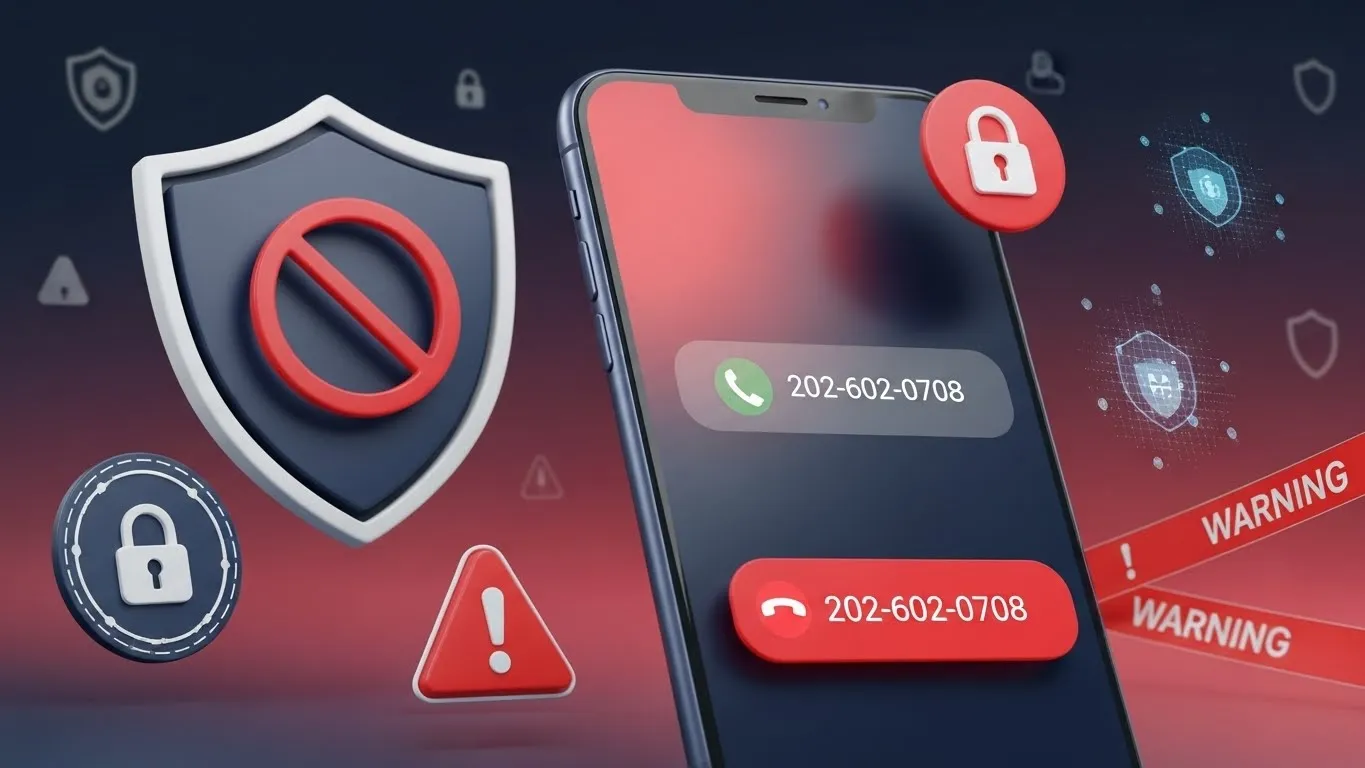
Received a call from 202-602-0708? Stop. A scam likely targets you. Hundreds of victims report unsolicited calls claiming loan approvals, free grants, or tax refunds all fake. Scammers use DC’s credible 202 area code to exploit your trust, sometimes targeting teenagers.
This guide reveals exactly how these scams work, how to recognize them instantly, and the proven steps to protect yourself and recover if you’ve already been hit. Read on to stay safe.
What is 202-602-0708?
The phone number 202-602-0708 is a landline number based in Washington, DC. The 202 area code is the primary area code for Washington, D.C., serving the nation’s capital and surrounding areas. While legitimate businesses and government offices use 202 area code numbers, this particular number has been associated with numerous complaints from consumers.
Also Read: Serlig: Complete Guide to Benefits and Modern Applications!
Area Code 202 Overview
The 202 area code covers Washington, D.C. and its immediate surrounding areas. As the area code for the nation’s capital, it’s often used for government agencies, congressional offices, and legitimate businesses. However, scammers have learned to exploit this area code’s credibility, making it easier to trick people into answering their calls.
Reports and Complaints About 202-602-0708
Multiple consumer complaint databases have documented reports about the 202-602-0708 phone number. Common complaints include:
Unsolicited and Persistent Calls: Many people report receiving multiple calls from this number within short time periods—sometimes as many as 5 to 15 calls in a single day. When recipients answer, callers often remain silent before hanging up, or they disconnect immediately after the call is answered.
Loan and Grant Scams: Several callers claiming to represent loan companies have contacted people through this number. These callers falsely claim that the recipient has applied for a loan or is eligible for grant money that doesn’t actually exist. When questioned about these claims, the callers cannot provide consistent details about the alleged loan or grant program.
Targeting Minors: Concerning reports indicate that scammers have also targeted minors, including teenagers, claiming they’re eligible for free grant money. This predatory behavior is particularly troubling and warrants immediate attention from parents and guardians.
No Voicemail Messages: Genuine companies typically leave voicemail messages when they can’t reach someone. However, recipients of calls from 202-602-0708 frequently report that no voicemail messages are left, a red flag that suggests the caller may not be legitimate.
Inconsistent Caller Identification: When people call the number back, they often encounter confusing situations: background music plays, someone speaks in a different language, or the line simply beeps before disconnecting. These inconsistencies suggest a call center operating a scam rather than a legitimate business.
Also Read: Dallas Cowboys vs Los Angeles Rams Match Player Stats: Complete Game Analysis 2025
Common Scam Patterns Associated with This Number
Understanding the tactics used by scammers can help you protect yourself from falling victim to fraud. If you receive calls from 202-602-0708 or similar numbers, watch for these common patterns.
The Loan Scam
In this scam, callers claim you’ve applied for a loan and that you’re pre-approved for a certain amount of money. They may ask you to provide personal information, banking details, or pay a fee to “activate” the loan. The reality is that no such loan exists, and any fees you pay go directly into the scammer’s pocket.
The Grant Money Scam
Similar to the loan scam, callers may claim you’re eligible for free grant money from the government or a nonprofit organization. They’ll ask for personal information or upfront fees to process your “application.” Again, no grant is real, and any payment is theft.
The Tax and IRS Scam
Some callers impersonate IRS agents or tax professionals, claiming you owe back taxes or are entitled to a refund. They create urgency by threatening legal action and request immediate payment or personal financial information.
Call Center Operations
Many of these scams originate from overseas call centers where multiple scammers operate simultaneously. You may hear other people in the background running the same scam on different victims. These operations are often organized and use technology to spoof caller IDs, making their numbers appear more legitimate.
Also Read: Dallas Cowboys vs Los Angeles Rams Match Player Stats: Complete Game Analysis 2025
How to Protect Yourself
Don’t Answer Calls from Unknown Numbers
The simplest way to avoid scams is to not answer calls from unknown numbers. If it’s important, legitimate callers will leave a voicemail message that you can review before calling back.
Never Share Personal Information
Never provide personal information such as your Social Security number, bank account details, credit card information, or drivers license number to unsolicited callers. Legitimate companies will never ask for this information over the phone.
Hang Up Immediately
If you do answer and hear a dial tone, silence, or music, hang up immediately. These are signs of a scam operation. Do not press any buttons or provide any information.
Verify Before Trusting
If someone claims to be from a government agency or legitimate company, hang up and call them directly using a number from their official website. Don’t use the number the caller provided, as scammers can spoof caller IDs.
Use Call-Blocking Tools
Take advantage of call-blocking features on your phone. Most smartphones allow you to block specific numbers, and many phone providers offer call filtering services that can block suspected scam calls automatically.
Report Suspicious Calls
Report calls from 202-602-0708 and similar suspicious numbers to the Federal Trade Commission (FTC) at reportfraud.ftc.gov. You can also file complaints with the Federal Communications Commission (FCC) and your state’s Attorney General office.
Also Read: Denver Broncos vs Tampa Bay Buccaneers Match Player Stats: Complete Breakdown of Week 3 Showdown
What To Do If You’ve Been Targeted
If You’ve Answered the Call
If you’ve already answered a call from this number and provided any information, monitor your accounts closely for unauthorised activity. Contact your bank, credit card companies, and credit bureaus to place fraud alerts or freeze your credit.
If You Provided Personal Information
Contact the Federal Trade Commission immediately and consider placing a credit freeze with the three major credit bureaus: Equifax, Experian, and TransUnion. A credit freeze prevents anyone from opening new accounts in your name without your permission.
If You Paid Money
If you’ve already sent money to scammers, report it to the FTC and your bank as soon as possible. While recovery rates are often low, law enforcement needs to know about the incident to investigate and shut down these operations.
Document Everything
Keep records of all calls you receive, including the date, time, phone number, and details of what was said. This documentation is valuable for reporting to authorities and may help in legal proceedings if necessary.
The Importance of Public Awareness
Public awareness is one of the most effective tools against phone scams. When more people understand how these scams work, fewer people fall victim to them. Sharing information about suspicious numbers like 202-602-0708 with family members, friends, and colleagues helps create a more informed public that’s better equipped to recognize and avoid scams.
Government and Regulatory Response
Federal agencies, including the FTC, FBI, and FCC, are actively working to combat phone scams. They monitor complaints, investigate large-scale operations, and work with phone carriers to identify and block scam numbers. However, scammers continue to evolve their tactics and use new technology like spoofing to make their calls appear legitimate.
Technological Solutions
Phone carriers are implementing new authentication technologies like STIR/SHAKEN, which helps verify that caller ID information is legitimate. These technologies are gradually being rolled out across the country, but they represent an important step in reducing the effectiveness of spoofed numbers.
Why Scammers Target DC Area Codes
The 202 area code’s association with Washington, D.C., gives it credibility. Many people assume that calls from this area code might be from government agencies or important organisations. Scammers exploit this assumption, making people more likely to answer and listen to their pitches.
Also Read: 264.68.111.161—Meaning, Usage, Errors, and How to Fix Issues!
Conclusion
from 202-602-0708 clearly shows how scammers misuse trusted area codes like Washington, D.C.’s 202 to deceive people. Whether the tactic involves fake loans, grants, tax refunds, or silent robocalls, the intent remains the same—stealing personal information or money.
Staying alert, avoiding unknown calls, and never sharing sensitive details are your strongest defences. Using call-blocking tools and reporting such numbers helps authorities track and stop these operations. Remember, legitimate organisations do not pressure you or demand urgent payments over the phone. By staying informed and cautious, you can protect yourself, your family, and others from falling victim to phone scams.